
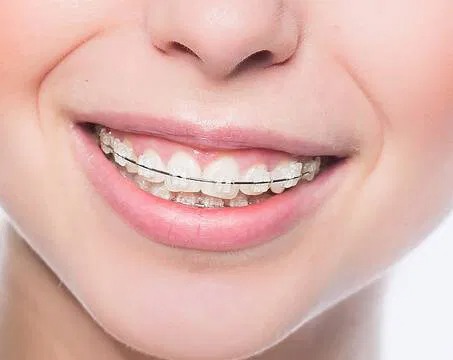
Finishing your braces or Invisalign clear aligners is exciting, but your smile care isn’t quite done. The next step? Wearing a retainer. If you’ve been asking how long do you have to wear a retainer after braces or Invisalign, the honest answer is this: full-time for the first several months, then nightly for life. At DOG Ortho, our team, led by board certified orthodontist Dr. Jake Dorfman, walks you through every step so your new smile stays put.
What Is a Retainer and Why Is It Necessary?
A retainer is a custom orthodontic device that holds your teeth in their new position after braces or Invisalign. Because the bone and soft tissue around your teeth need time to settle, your smile can shift for months after treatment ends. A retainer keeps everything stable while your body catches up.
Without a retainer, teeth naturally drift back toward their original spots. Orthodontists call this “relapse,” and it can undo months (or years) of hard work.
Think of retention as the final, permanent phase of your orthodontic care, not an optional add-on. Braces and Invisalign do the heavy lifting to straighten your teeth. Your retainer protects that result for a lifetime.
How Long Do You Have to Wear a Retainer?
Most patients wear a retainer full-time (about 22 hours a day) for the first 4 to 6 months after treatment, then switch to nights only for the rest of their lives. The exact timeline depends on your case, your bite, and how quickly your teeth stabilize under your orthodontist’s supervision.
Here’s what a typical retention schedule looks like:
- Months 1–6: Full-time wear, roughly 22 hours a day. Remove only for eating, drinking anything other than water, and brushing.
- Months 6–12: Step down to nights only once your orthodontist confirms your teeth have settled.
- Year 1 and beyond: Nighttime wear indefinitely to prevent relapse.
The timeline is nearly identical whether you finished with braces or Invisalign. Teeth don’t know the difference between the two treatments, they only know they were recently moved and want to shift back.
When you skip nights, small problems add up quickly. Also, even a few weeks off can allow tiny movements that make your retainer feel tight when you put it back in. That tightness is your warning sign that shifting has already started, and it’s exactly why so many patients choose to wear a retainer after braces without long gaps.
Benefits of Wearing Your Retainer Consistently
Consistent retainer wear protects everything you put into your smile, from your time to your money. The payoff for a few minutes each night is huge, and it’s the easiest way to keep your straight teeth looking exactly the way they did on your final appointment day.
Why Does Consistent Wear Matter So Much?
Staying consistent keeps your result locked in place while your bite fully settles. Here’s what you gain by making retainer wear a nightly habit:
- Protects your investment. Braces and Invisalign are a significant commitment. A retainer keeps that result locked in.
- Prevents costly re-treatment. Fixing relapse can mean a second round of aligners or braces, plus new fees.
- Maintains your bite. Your teeth work together as a system. Retention keeps chewing and speaking comfortable.
- Supports oral hygiene. Straight teeth are easier to brush and floss, which lowers your risk of decay and gum issues.
- Keeps your smile photo-ready. Straight today, straight in ten years, straight at your kid’s wedding.
What Happens When Patients Stay Committed?
In many cases, patients who commit to nightly wear are far less likely to need retreatment down the road. Those who quit within a year or two often notice changes they wish they could reverse. The habit takes only a couple of minutes, yet it protects years of careful orthodontic work and the confidence that comes with a straight smile.
Types of Retainers Compared: Removable vs Permanent
There are three main types of retainers: Hawley (wire and acrylic), clear (Essix or Vivera), and fixed or bonded retainers. Each carries its own trade-offs in visibility, durability, and upkeep. Your board certified orthodontist will recommend the best fit based on your treatment, your habits, and your lifestyle.
| Retainer Type | Visibility | Durability | Maintenance | Best For |
|---|---|---|---|---|
| Hawley (wire + acrylic) | Visible wire across front teeth | Very durable, often lasts many years | Easy to clean, adjustable | Patients who want a long-lasting, adjustable option |
| Clear (Essix/Vivera) | Nearly invisible | Less durable, may need replacement every few years | Simple to clean, cannot be adjusted | Invisalign grads who prefer a discreet look |
| Fixed/Bonded | Hidden behind teeth | Very durable if cared for | Requires extra flossing effort | Patients worried about compliance or high relapse risk |
Hawley Retainers
Hawley retainers are the classic option: a metal wire holds your front teeth in place, and an acrylic base sits against the roof of your mouth or behind your lower teeth. They’re rugged and can be tweaked if minor adjustments are needed.
Clear Retainers
Clear retainers look and feel like Invisalign trays. They slip over your teeth and are barely noticeable, which is why many patients love them. They’re less durable than Hawleys and can warp if exposed to heat.
Fixed (Bonded) Retainers
Fixed (bonded) retainers are a thin wire glued to the back of your front teeth. You never have to remember to put them in because they’re always there. The trade-off is that flossing takes a bit more effort.
Retainer Costs and What Affects the Price
Replacement retainer costs typically range from around $150 to $500 per arch, depending on the type, your location, and lab fees. Clear retainers usually fall in the lower-to-middle of that range, Hawleys in the middle, and bonded retainers vary based on placement time. Many practices, including our Southampton, PA and Bensalem, PA locations, include your first set in your original treatment fee.
Several factors affect what you’ll pay:
- Retainer type. Clear vs. Hawley vs. bonded all carry different lab and material costs.
- Single vs. dual arch. Upper only, lower only, or both.
- Lab and material fees. Custom trays require goop-free, comfortable impressions, digital scans, and lab time.
- Retainer programs. Some practices offer replacement plans that dramatically lower long-term costs.
At DOG Ortho, we offer a Retainers for Life program so you’re never stuck paying full price for a replacement. It’s part of our smile forever guarantee, which keeps your results looking sharp for years to come.
The bottom line: replacing a lost or broken retainer is always more affordable than starting orthodontic treatment over. Take care of the one you have, and know that we’re here to help if something happens to it.
Who Needs to Keep Wearing a Retainer?
Short answer: everyone who finishes braces or Invisalign. Teeth are held in place by ligaments that have memory, and those ligaments want to pull your teeth back toward their old positions for months (and sometimes years) after treatment.
Some patients are at even higher risk for relapse:
- Patients with prior crowding. Crowded teeth have strong “muscle memory” and can shift quickly.
- Patients with rotated teeth before treatment. Rotations are the first thing to relapse.
- Adult patients. Adult bone and tissue take longer to fully stabilize.
- Patients with grinding or clenching habits. These forces can shift teeth over time.
Here’s a myth worth busting: teeth don’t stop moving as you get older. In fact, natural aging causes gradual shifting throughout adulthood, even in people who never had orthodontic treatment. A nightly retainer is your best defense, and our board certified orthodontist recommends it for nearly every patient.
Whether you’re 14 or 44, consistent nighttime wear works for almost everyone. It’s the simplest habit with the biggest smile payoff.
Frequently Asked Questions About Retainers
Do you have to wear a retainer forever after Invisalign?
Yes, most patients need lifelong nighttime retainer wear after Invisalign, just like after braces. Teeth naturally shift with age, and your retainer is the only reliable way to keep your results looking the way they did the day your treatment ended.
Why do my teeth move when I take off my retainer?
Your teeth are held in place by tiny ligaments that have memory. After orthodontic treatment, those ligaments still “remember” where your teeth used to sit and gently pull them back. Consistent retainer wear overrides that pull and keeps teeth in their new home.
How long do retainers last before needing replacement?
It depends on the type. Hawley retainers often last many years with good care. Clear retainers typically need replacement every 1–3 years because the plastic can warp or crack. Bonded retainers can last a decade or more but may need repairs if the wire comes loose.
What happens if I stop wearing my retainer?
Your teeth will start to shift, sometimes within weeks. Minor movement might mean your retainer feels tight when you put it back in. Longer gaps can cause visible crowding or bite changes that require new orthodontic treatment to correct.
Can I switch from full-time to nighttime wear?
Yes, once your orthodontist confirms your teeth have stabilized, usually around the 4-to-6-month mark. Never make this change on your own. Your board certified orthodontist will check your bite and give you the green light at a follow-up visit.
How do I clean and care for my retainer?
Brush your retainer gently with a soft toothbrush and cool water every day. Avoid hot water, which can warp clear retainers. Soak it a few times a week in a retainer cleaner or a mild solution recommended by your orthodontist. Always store it in its case, never in a napkin, since that’s the #1 way retainers get thrown out.
Keep Your Smile Straight for Life
Your retainer is the small daily habit that protects your straight smile for years. Wearing it consistently, first full-time and then nightly, is the surest way to hold onto the results you worked so hard to achieve. Understanding your retainer type, your care routine, and your wear schedule puts you in control of keeping your smile looking its best long after treatment ends.
If you have questions about wear time, retainer types, or replacements, the DOG Ortho team is glad to share guidance and answer whatever comes up. We make retention easy, affordable, and fun for every patient, and our Retainers for Life program is there whenever you need a replacement. A little consistency now goes a long way toward a lifetime of straight, confident smiles. Smile smarter. Live better.