
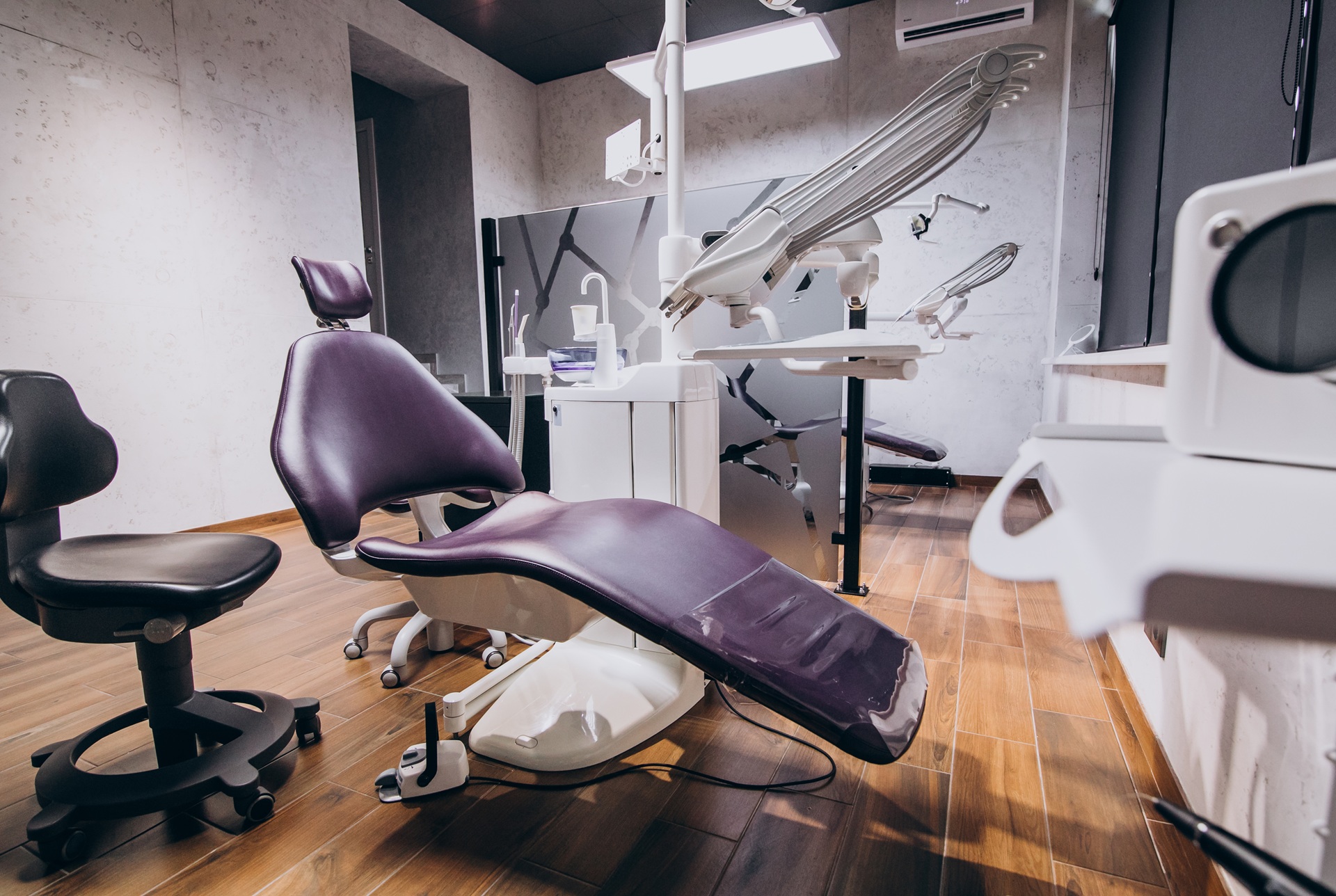
An orthodontist is a dental specialist who completes 2-3 extra years of training focused on tooth and jaw alignment. A dentist provides general oral healthcare like cleanings, fillings, and gum care. All orthodontists are dentists, but not all dentists are orthodontists. Understanding this distinction helps you know exactly which provider to see for your specific needs.
Think of it like this: your dentist is your family doctor for teeth, and your orthodontist is the specialist you see for moving teeth into the right spot. Orthodontics is one of the dental specialties recognized by the American Dental Association, which means orthodontists complete formal residency training beyond dental school before they ever treat a patient.
At Dorfman Orthodontic Group, our board certified orthodontist Dr. Jake Dorfman focuses solely on bite correction, braces, and Invisalign clear aligners every single day.
How an Orthodontist’s Training and Scope Works
Both dentists and orthodontists start with the same foundation. After earning a bachelor’s degree, they complete four years of dental school to earn a DDS or DMD degree. At this point, a general dentist can begin practicing.
Orthodontists take it further. They complete an additional 2-3 year accredited orthodontic residency that focuses entirely on tooth movement, jaw growth, and facial development.
Here’s a quick breakdown of what each provider handles day to day:
Your general dentist focuses on:
- Routine cleanings and exams
- Cavities and fillings
- Crowns, bridges, and root canals
- Gum disease treatment
- Tooth extractions
- X-rays and overall oral health
Your orthodontist focuses on:
- Traditional metal braces and clear braces
- Invisalign clear aligners
- Bite correction (overbite, underbite, crossbite)
- Jaw alignment and growth guidance
- Phase 1 early interceptive treatment for kids
- Retention and long-term stability after treatment
A board certified orthodontist like Dr. Dorfman has also passed rigorous exams through the American Board of Orthodontics, which represents the highest credential in the field. This is part of the DOG difference: our team brings specialty-level focus to every smile.
Benefits of Seeing an Orthodontic Specialist
Moving teeth and aligning jaws is precise, demanding work, and experience matters. An orthodontist dedicates their practice to one thing: creating healthy, beautiful smiles through tooth and jaw alignment.
Here’s why patients choose a specialist:
- Deeper expertise in complex cases. Crowding, severe bites, and growth-related issues often need a trained eye.
- Daily hands-on experience with braces and Invisalign. Our doctors place and adjust appliances every day, not occasionally.
- Better outcomes for jaw and growth concerns. Specialists understand how facial bones develop, especially in kids and teens.
- Access to early interceptive treatment. Phase 1 care can prevent bigger problems later.
- Long-term retention planning. Keeping your new smile straight is just as important as creating it.
Dorfman Orthodontic Group is also a diamond plus Invisalign provider, which reflects significant experience with clear aligner treatment. Choosing a specialist means choosing someone whose entire career centers on your smile, and our patients trust us to deliver results they can feel proud of every day.
Orthodontist vs. Dentist: Side-by-Side Comparison
Here’s a clear, point-by-point look at how the two roles stack up against each other:
| Category | General Dentist | Orthodontist |
|---|---|---|
| Education | Bachelor’s + 4 years dental school | Bachelor’s + 4 years dental school + 2-3 year residency |
| Total Training | 8 years | 10-11 years |
| Primary Focus | Overall oral health | Tooth and jaw alignment |
| Common Treatments | Cleanings, fillings, crowns, extractions | Braces, Invisalign, bite correction |
| Patients Seen | All ages, general care | Kids, teens, adults for alignment |
| Specialty Status | General practitioner | ADA-recognized dental specialist |
| Board Certification | DDS or DMD license | Board Certified by the American Board of Orthodontics |
The two roles often work together. Your dentist may notice crowding or a bite issue during a routine exam and refer you to an orthodontist. During orthodontic treatment, you’ll still see your dentist for regular cleanings and checkups. Both providers play important roles in your oral health, just in different ways.
Cost Factors: Dentist vs. Orthodontist Visits
General dental visits and orthodontic treatment carry different price tags because they cover entirely different services. A routine cleaning or filling is usually a single-visit cost, while orthodontic treatment is a multi-month investment that includes appliances, adjustments, retainers, and ongoing care across many appointments.
Several factors influence the cost of orthodontic treatment:
- Case complexity. Mild crowding costs less to treat than severe bite issues.
- Treatment type. Traditional metal braces, clear braces, and Invisalign clear aligners each have different price points.
- Treatment length. Longer treatments require more appointments and materials.
- Age and growth. Phase 1 care for kids differs from adult treatment.
Many orthodontists, including Dorfman Orthodontic Group, offer flexible payment options and a complimentary new patient consultation so you can understand your choices before committing. Insurance also handles orthodontics differently than general dentistry, often providing a lifetime orthodontic benefit that’s separate from your regular dental coverage. Asking about braces and aligner financing up front gives you a clearer picture of your total investment.
Who Should See an Orthodontist?
You should see an orthodontist if you have alignment, bite, or jaw concerns that affect how your teeth look, feel, or function. Here are the most common reasons patients schedule a complimentary new patient consultation with us:
- Crooked, crowded, or gapped teeth that affect appearance or cleaning
- Bite concerns like overbite, underbite, crossbite, or open bite
- Jaw discomfort or clicking that may relate to alignment
- Difficulty chewing or speaking due to tooth position
- Children around age 7, as recommended by the American Association of Orthodontists for a first orthodontic check
- Teens and adults considering Invisalign clear aligners or braces
- Patients referred by their dentist after a routine exam
You don’t need a referral to see an orthodontist. Many of our patients come in on their own after noticing something they want to fix. Whether it’s your child’s first check or your own long-overdue smile upgrade, the goal is the same: a healthy bite and a confident grin that lasts a lifetime.
Frequently Asked Questions
Is my dentist also an orthodontist?
Probably not. Unless your dentist has completed a 2-3 year accredited orthodontic residency after dental school, they’re a general dentist. Some general dentists offer Invisalign or simple alignment cases, but only specialists who completed residency can call themselves orthodontists.
Do I need a dentist referral to see an orthodontist?
No, you don’t need a referral. You can schedule a complimentary new patient consultation directly with our team. Many patients come to us on their own after noticing crowding, spacing, or bite concerns. If your dentist did refer you, we’ll happily coordinate care with their office.
How do I know it’s time to send my child to an orthodontist?
The American Association of Orthodontists recommends a first orthodontic check by age 7. By this age, enough permanent teeth have come in for us to spot issues like crowding, crossbites, or jaw growth concerns. Early evaluation doesn’t always mean early treatment. Sometimes we simply monitor growth and step in at the right time.
Can a dentist do braces or Invisalign?
Some general dentists offer Invisalign or basic braces, but they haven’t completed specialty residency in orthodontics. A board certified orthodontist has years of additional training specifically in tooth movement, jaw growth, and bite correction. For complex cases, especially anything involving the bite or jaw, a specialist is typically the better choice for lasting results.
Should I still see my dentist during orthodontic treatment?
Absolutely. Regular dental cleanings and checkups are essential while you’re in braces or aligners. Your dentist handles cavity prevention, gum health, and overall oral care, while our orthodontic team focuses on moving your teeth into place. The two work hand in hand to keep your smile healthy throughout treatment, and at Dorfman Orthodontic Group, we truly believe in spreading happiness with every smile.